Our maps show in purple where phones have reported masts. We call this reach. Dark purple means there are masts almost everywhere: reach is wide, and you are likely to have a signal. Light purple means masts in towns and along roads: reach is patchy. White means nothing has been reported. It is an estimate from masts reported up to 2021 and from May 2025 to November 2026, not a measurement of reception and not a promise from a provider. For this article we added up the maps of all 231 countries and territories.
How much of the world is purple?
If you add up all the maps by their area, nothing has been reported on 49% of the land: about half. Reach is wide on 25% and patchy on 26%. Antarctica is not on our maps.
The map below shows the masts of all networks together. Choose a country to see its own map and its prices.
Reach (estimate)
- wide
- patchy
- nothing reported
Purple: phones reported masts here, all networks together (OpenCelliD, reports up to 2021 and from May 2025 to November 2026). The darker the purple, the more masts. An estimate, not a guarantee. How to read the map
Which part of the world is most purple?
Europe stands out once Russia is counted on its own: masts have been reported in 99% of the land, and reach is wide on 89%. Africa has the least dark purple: reach is wide on 8% of the land, and nothing has been reported on 68%.
| Region | wide | patchy | nothing reported |
|---|---|---|---|
| 89% wide | 10% patchy | 1% nothing reported | |
| 36% wide | 20% patchy | 44% nothing reported | |
| 29% wide | 33% patchy | 38% nothing reported | |
| 21% wide | 35% patchy | 44% nothing reported | |
| 17% wide | 27% patchy | 56% nothing reported | |
| 16% wide | 21% patchy | 63% nothing reported | |
| 8% wide | 24% patchy | 68% nothing reported | |
| 25% wide | 26% patchy | 49% nothing reported |
On our site Russia counts as part of Europe, but it is so large that it would decide the figure for all of Europe. With Russia included, masts have been reported in 52% of Europe. In Russia itself the figure is 37%.
What about your destination?
These are 16 destinations outside the EU, ordered from the largest share with wide reach to the smallest. In five of them, masts have been reported in more than 99% of the land: Curaçao, the United Kingdom, Japan, Switzerland and Turkey. At the bottom are Egypt, Canada and Australia: large countries with a lot of desert or wilderness.
| Destination | wide | patchy | nothing reported |
|---|---|---|---|


|
>99% wide | <1% patchy | <1% nothing reported |

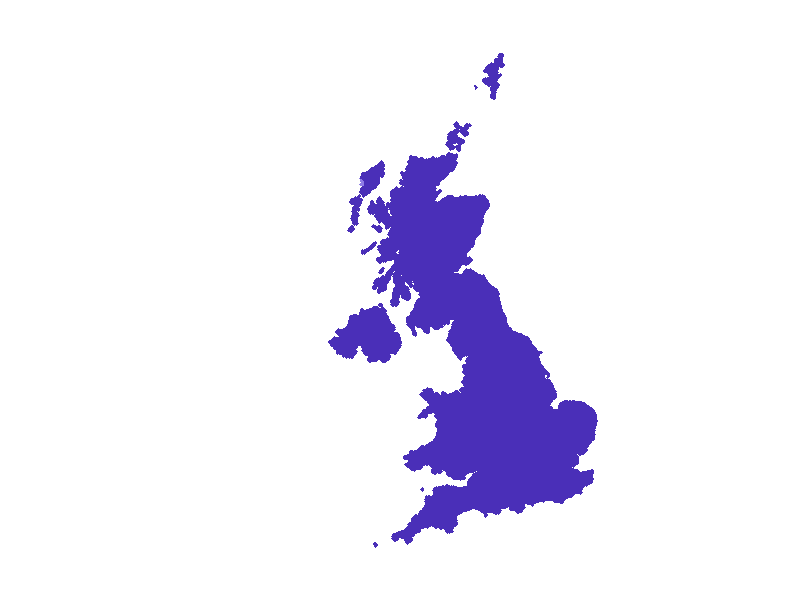
|
>99% wide | <1% patchy | <1% nothing reported |

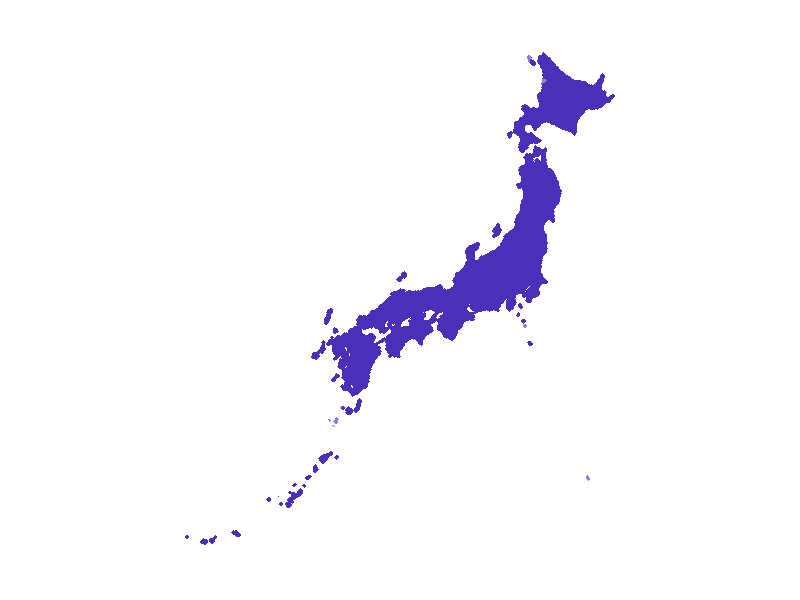
|
99% wide | 1% patchy | <1% nothing reported |

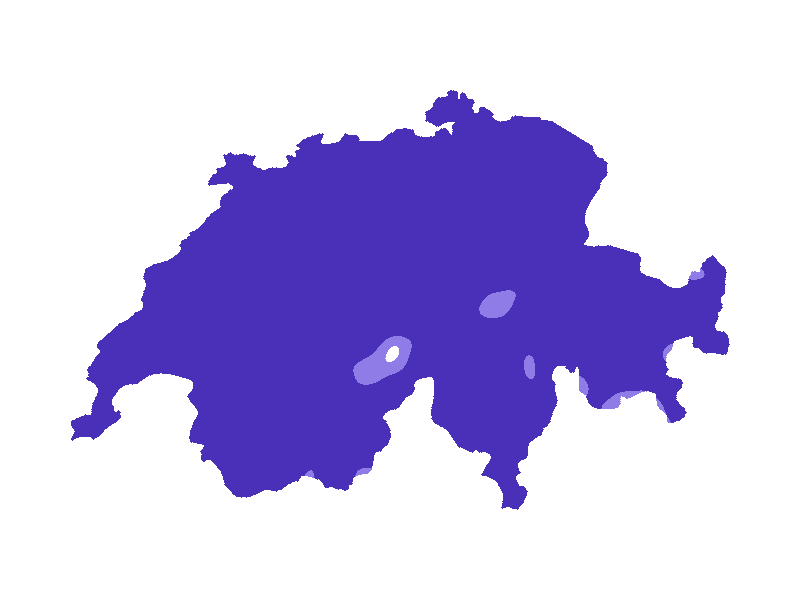
|
98% wide | 2% patchy | <1% nothing reported |

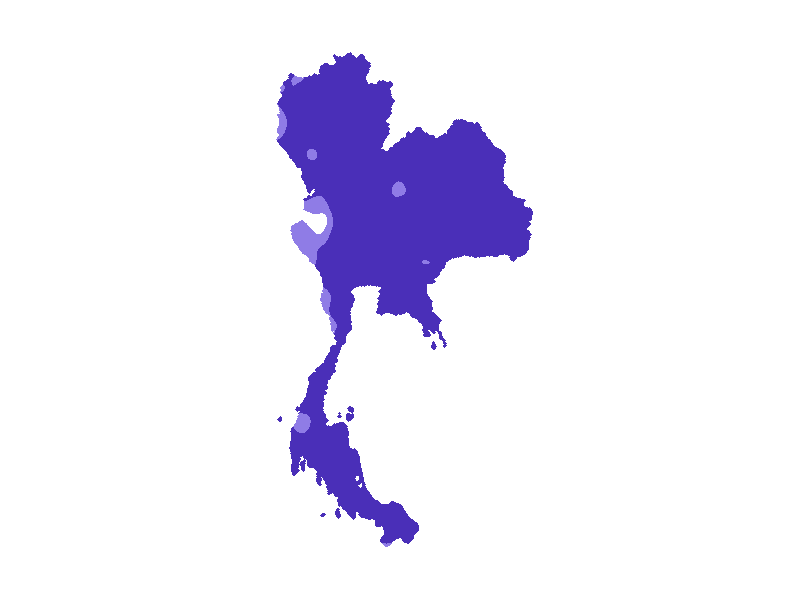
|
94% wide | 5% patchy | 1% nothing reported |

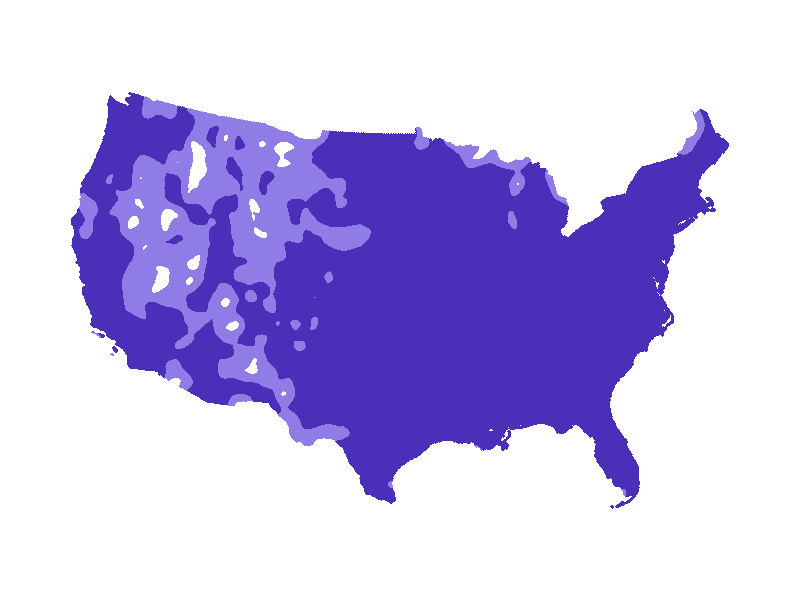
|
77% wide | 21% patchy | 2% nothing reported |

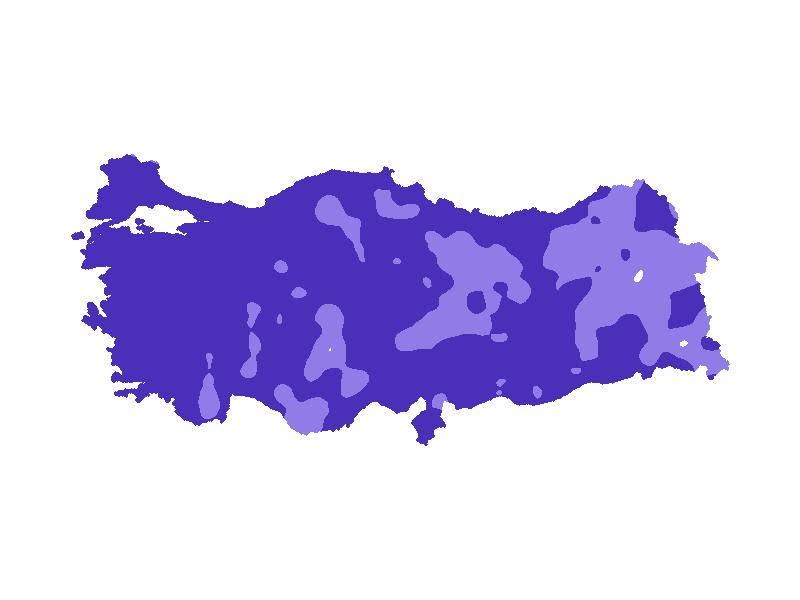
|
73% wide | 27% patchy | <1% nothing reported |

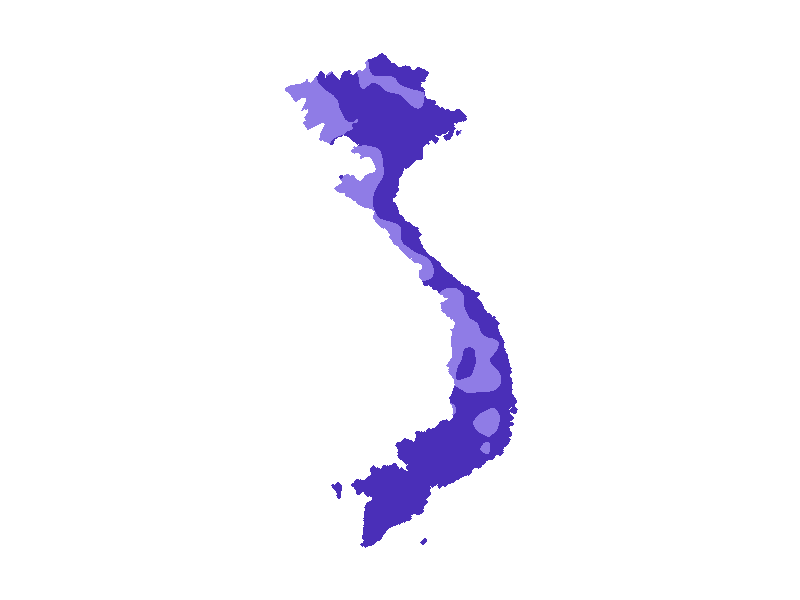
|
69% wide | 29% patchy | 2% nothing reported |

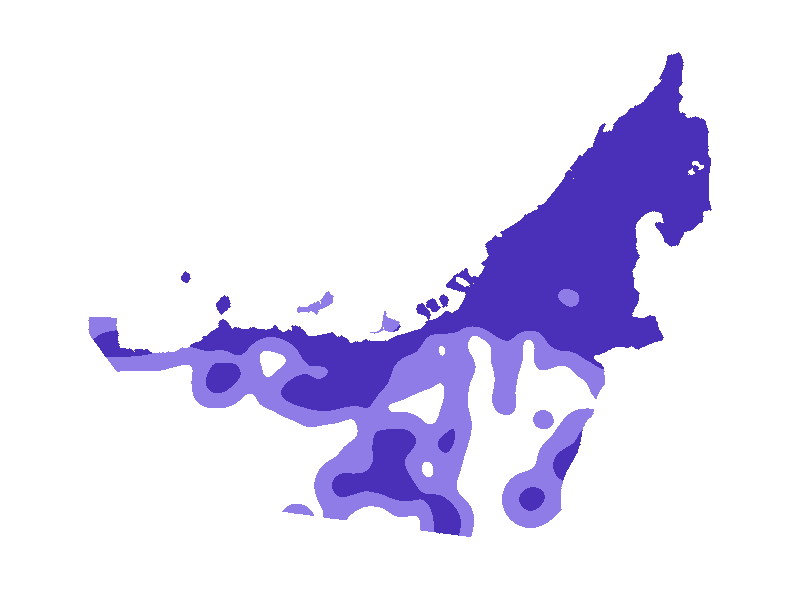
|
45% wide | 27% patchy | 28% nothing reported |

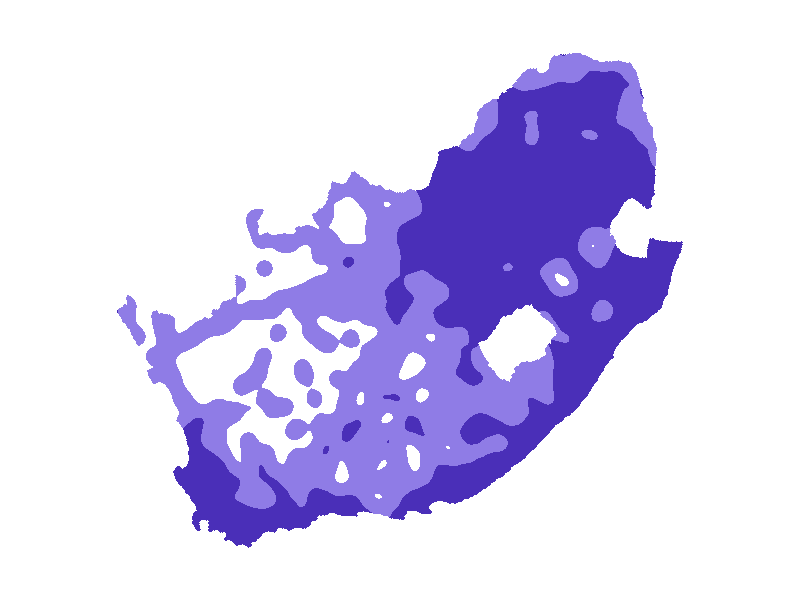
|
44% wide | 41% patchy | 15% nothing reported |

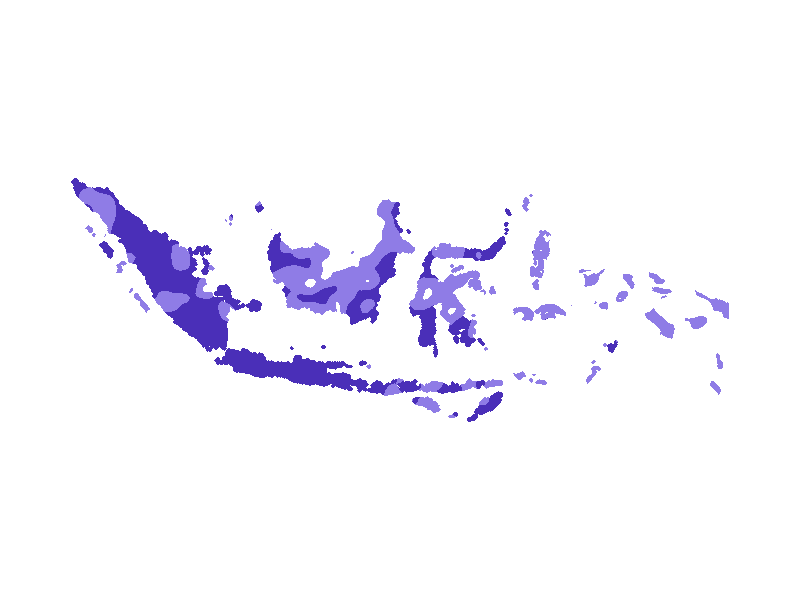
|
38% wide | 35% patchy | 27% nothing reported |

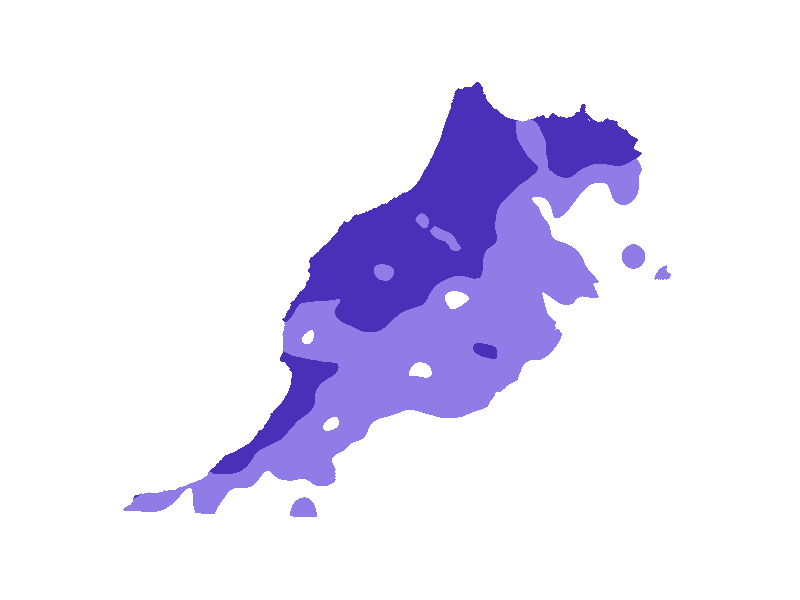
|
36% wide | 50% patchy | 14% nothing reported |

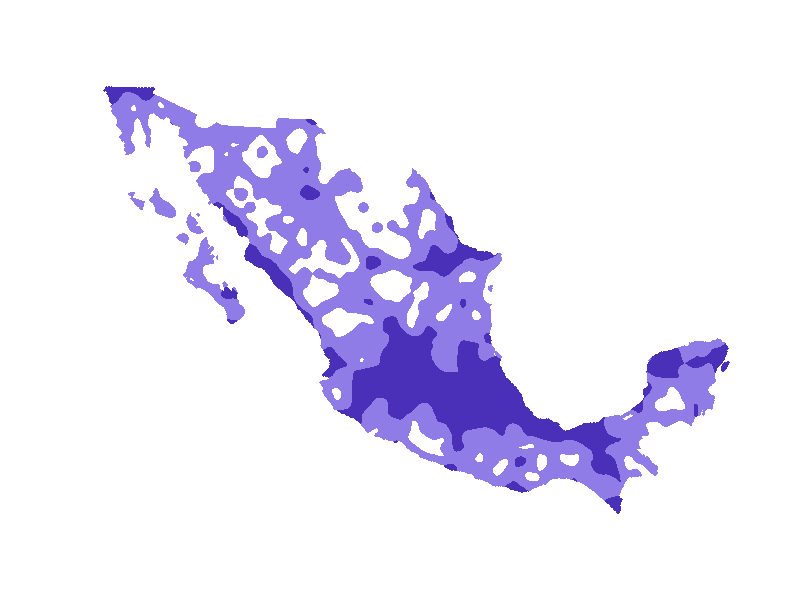
|
23% wide | 54% patchy | 23% nothing reported |

|
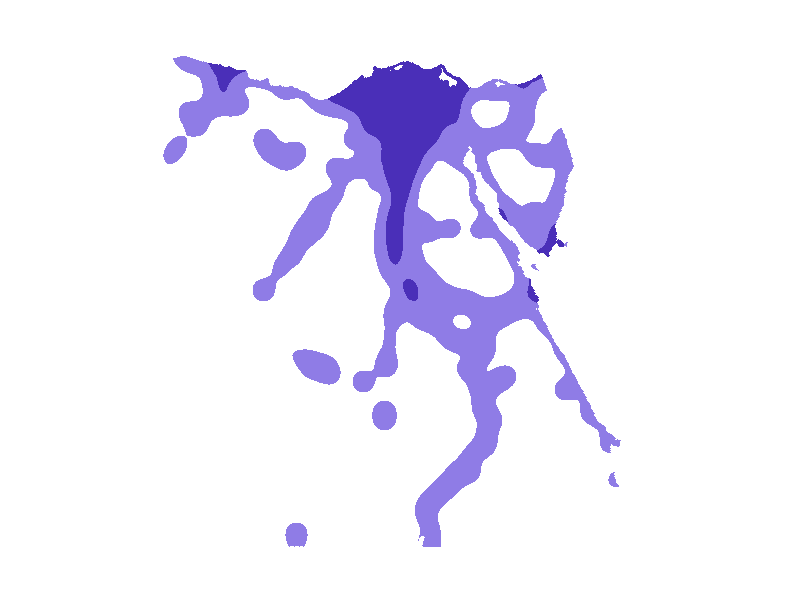
17% wide | 27% patchy | 56% nothing reported |

|
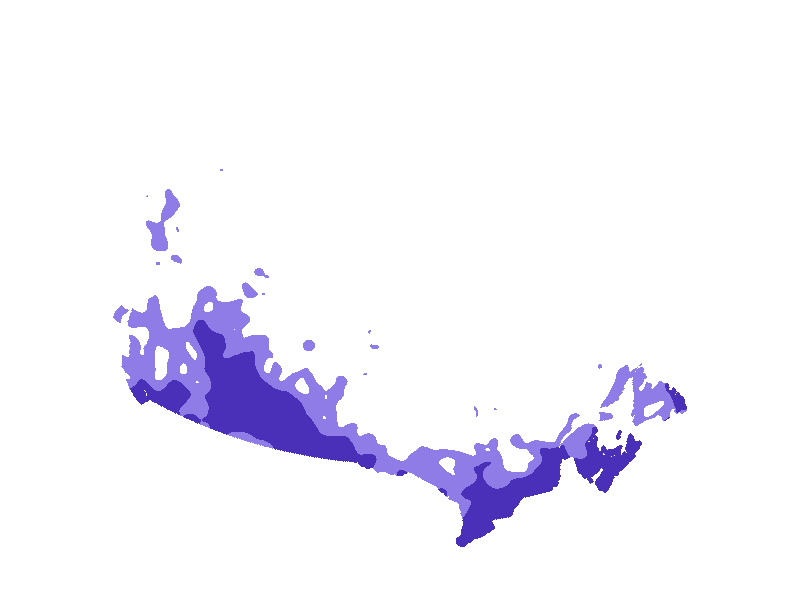
13% wide | 17% patchy | 70% nothing reported |

|
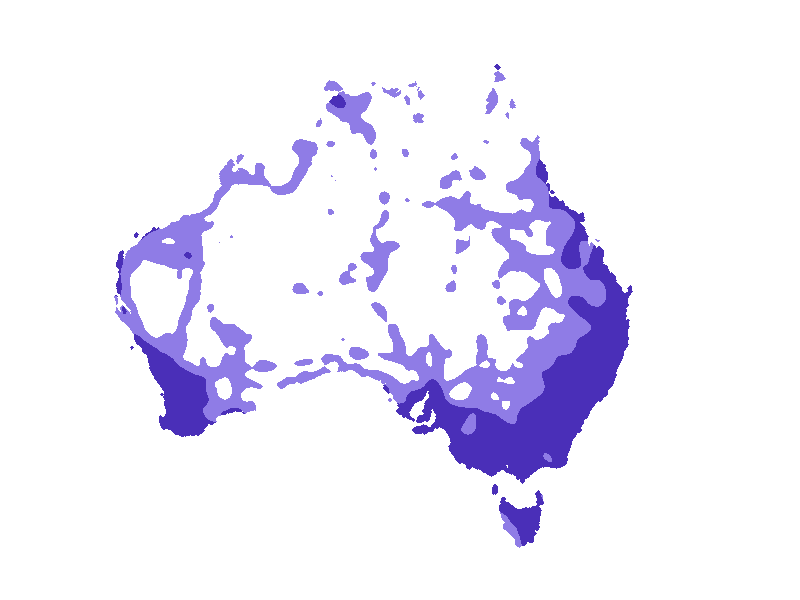
5% wide | 22% patchy | 73% nothing reported |
Why do large countries have less purple?
None of the 30 countries and territories larger than a million square kilometres reaches more than 99%. The United States without Alaska and Hawaii comes closest with 98%, then India with 95%. The largest country where masts have been reported in more than 99% of the land is Turkey, followed by Ukraine, France and Spain. At the bottom are Greenland, most of which lies under ice, with 1% and Chad with 6%.
Phones report masts mostly where people live and drive. In a large country with a lot of empty land, you can see that on the map. In Australia, 73% of the area where reach is wide lies within 200 kilometres of the sea, while only 35% of the whole country does. On the small maps above you can also see how the purple in Egypt follows the Nile, and in Canada the border with the United States.
Does the network matter?
An eSIM works on the networks its provider names, not on every network in a country. Often that makes little difference: in 109 of the 201 countries and territories with more than one network on our map, the widest network and the second widest differ by 3 per cent of the land or less. In these destinations the difference is larger:
Where the provider names the network of a plan, our list shows which network that is and in what part of the country it has masts. On the country's map you can choose a network to see where.
The world map and the tables above count all networks together. They fill each other's gaps, so a single network reaches less of the country. In Turkey, reach is wide on 73% of the land with all networks together, and on at most 14% with any one network.
What does this mean for your eSIM?
- If you go to a country that is almost all purple, such as Japan or Switzerland, the large networks reach almost the same area. Then the price matters most.
- If you travel through remote areas, such as the Australian outback or the Egyptian desert, look at the plan to see which network it uses and how much of the country that network reaches.
- Download an offline map of your route before you go. Where nothing has been reported, your phone may have no connection.
See the map and the prices for your destination: Australia, Egypt, Canada or another country.
What does the map not show?
- Where few phones send reports, little is reported. So white is not the same as no signal, and a low figure can also mean that few reports were made there.
- The masts were reported up to 2021 and from May 2025 to November 2026. A mast reported only in the years between is missing. A mast taken down since 2021 can still be on the map.
- For 25 countries and territories, including India, Bhutan and Guinea-Bissau, the list holds no newer reports. There the map shows only the masts up to 2021.
- The map does not see mountains, buildings or busy networks. In a valley behind a mountain, the signal can be worse than the map suggests.
- A percentage is a share of the land, not of the people. In a country with a lot of desert the figure is low, even if almost everyone there has a signal.
- A country's map leaves out parts that lie far from the rest, such as Alaska and Hawaii for the United States. They do not count here either.
How we make the map is explained in How to read the reach map.
Written on 27 November 2026